What Makes a Restaurant "Hospitality-Driven"? A Simple Introduction to Service Culture
Exploring the fundamentals of warmth, communication, timing, and guest care.

The term hospitality appears frequently in restaurant discourse, yet its meaning often remains vague, conflated with mere service competence or operational efficiency. A hospitality driven restaurant operates from a fundamentally different orientation, one that prioritizes human connection over transactional exchange and views every guest interaction as an opportunity to create genuine warmth. This distinction matters because guests perceive the difference immediately, even when they cannot articulate precisely what they sense. Service can be technically correct yet emotionally hollow, leaving guests satisfied but unmoved.
True hospitality leaves lasting impressions, creating the loyalty and advocacy that sustain restaurants across years and economic cycles. Understanding what constitutes hospitality driven culture requires examining several interconnected elements: the foundational skills that enable excellent service, the adaptability required to meet diverse guest needs, and the leadership philosophy that shapes team behavior. For anyone involved in restaurant operations, from new servers to experienced managers to owners evaluating their establishments, grasping these fundamentals provides a framework for continuous improvement and meaningful self assessment.
The new era of dining demands adaptability, where data, technology and human intuition work together to guide decision-making.
Mastering the Classics Before Adapting Them
Hospitality excellence requires a foundation of core competencies that cannot be bypassed regardless of restaurant style or concept. These fundamentals include proper greeting and acknowledgment, accurate order taking and communication, appropriate timing of courses, attentive but unobtrusive table maintenance, and graceful handling of guest concerns. Staff members must understand how to read body language, when to approach and when to allow space, how to describe menu items knowledgeably, and the mechanics of professional service from the correct side with proper technique. These skills may seem basic, yet their consistent execution distinguishes capable teams from struggling ones.
The importance of mastering fundamentals lies not in rigid adherence but in the freedom that competence provides. A server thoroughly grounded in service basics can adapt confidently when situations demand flexibility, improvising from a position of strength rather than scrambling from ignorance. Restaurants that neglect foundational training in pursuit of contemporary informality often discover that their teams lack the tools to elevate performance when occasions require it. The classics persist because they work, representing accumulated wisdom about how to care for guests effectively. Innovation built upon this foundation can thrive, while innovation that ignores it typically collapses into inconsistency and guest frustration.

Reading the Guest in a Changed Landscape
Contemporary dining has scrambled traditional expectations in ways that demand unprecedented adaptability. Guests at casual restaurants increasingly expect refined touches once associated exclusively with fine dining, from knowledgeable beverage recommendations to graceful accommodation of dietary restrictions. Simultaneously, fine dining guests often prefer relaxed atmospheres and approachable service over formal protocols that feel stiff or pretentious. Younger generations in particular resist one size fits all approaches, valuing authenticity and personal connection over ritualized service choreography. This evolution requires staff capable of reading individual guests and adjusting accordingly, recognizing that the couple celebrating an anniversary desires different treatment than the business colleagues conducting a working lunch.
The hospitality driven restaurant empowers its team to make these adjustments, providing guidelines rather than rigid scripts and trusting staff judgment within defined parameters. This flexibility demands the strong foundational skills discussed previously, as adaptation requires knowing the rules well enough to break them intelligently. Teams lacking core competencies cannot successfully personalize service because they have no baseline from which to deviate. The goal becomes making each guest feel individually recognized rather than processed through standardized procedures, a challenging objective that separates genuinely hospitable establishments from those merely going through motions.
Leadership That Serves First
The culture of a hospitality driven restaurant flows directly from its leadership. Managers and senior staff who model humble servant leadership create environments where excellent guest care emerges naturally. This leadership style prioritizes supporting the team over asserting authority, removing obstacles rather than creating them, and demonstrating through daily actions that every role matters to collective success. When leaders bus tables during rushes, assist with difficult guests without undermining front line staff, and treat team members with the same warmth expected toward guests, they establish cultural norms that permeate the organization. The best service appears seamless, unobtrusive, and fluid precisely because teams have internalized values that require no monitoring or enforcement.
Regarding external recognition, awards and ratings from organizations like Michelin or the James Beard Foundation provide valuable benchmarks and deserve attention as guides for maintaining standards. However, pursuing accolades as primary goals distorts priorities and typically produces hollow results. Restaurants that focus genuinely on guest experience often earn recognition as a natural consequence, while those chasing awards frequently miss the warmth that evaluators ultimately seek. The competitive landscape merits awareness, and understanding what earns acclaim keeps teams sharp. Yet brilliance and warmth delivered consistently to actual guests matters far more than any plaque or publication mention ever could.
The Takeaway
Hospitality driven restaurant culture cannot be installed through training manuals or mandated through policy documents. It emerges from the combination of well developed fundamental skills, genuine adaptability to individual guest needs, and leadership that demonstrates care through consistent action.
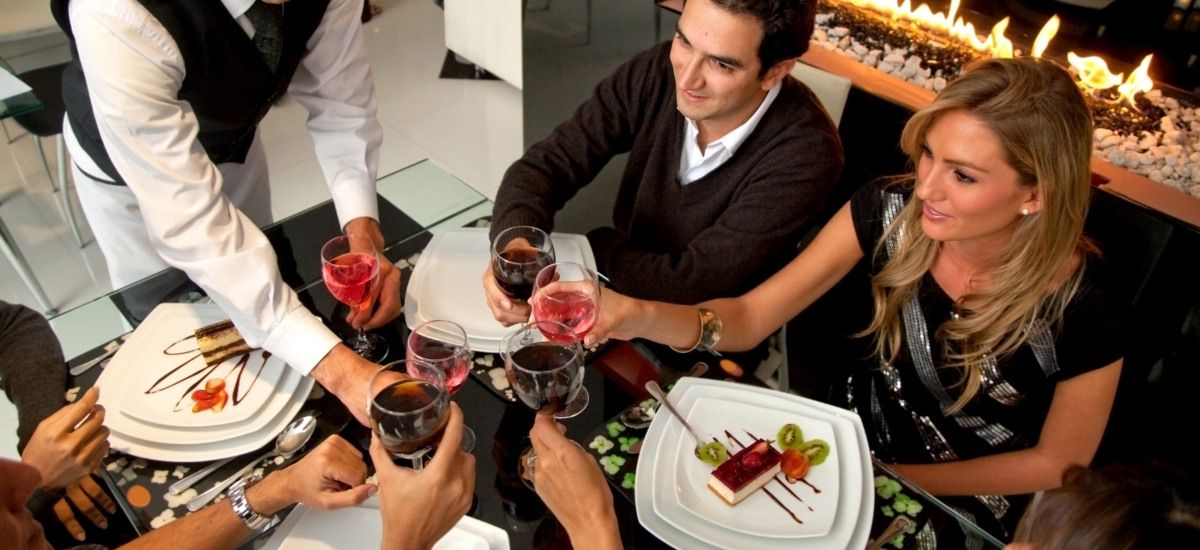
The contemporary dining environment demands this approach more than ever, as guests across all segments expect personal recognition and resist formulaic treatment. Mastering the classics provides the essential foundation, enabling the confident flexibility that modern guests appreciate. Leadership sets the tone, with servant oriented managers creating conditions where teams naturally extend warmth because they experience it themselves. External recognition and competitive awareness have their place, keeping standards visible and providing useful benchmarks for self assessment. Yet the true measure of hospitality success lives in the memories guests carry when they leave, the feeling of having been genuinely welcomed and cared for rather than merely fed and processed. Restaurants that achieve this consistently build reputations that transcend any rating system, earning loyalty through accumulated moments of authentic human connection.
This is what hospitality driven truly means: an orientation toward the guest that shapes every decision and defines organizational identity at its deepest level.