Destination Restaurants: Why Culinary Pilgrimages Are Driving Global Tourism
Exploring the phenomenon of restaurants so extraordinary that travelers cross continents to secure a seat at their tables.
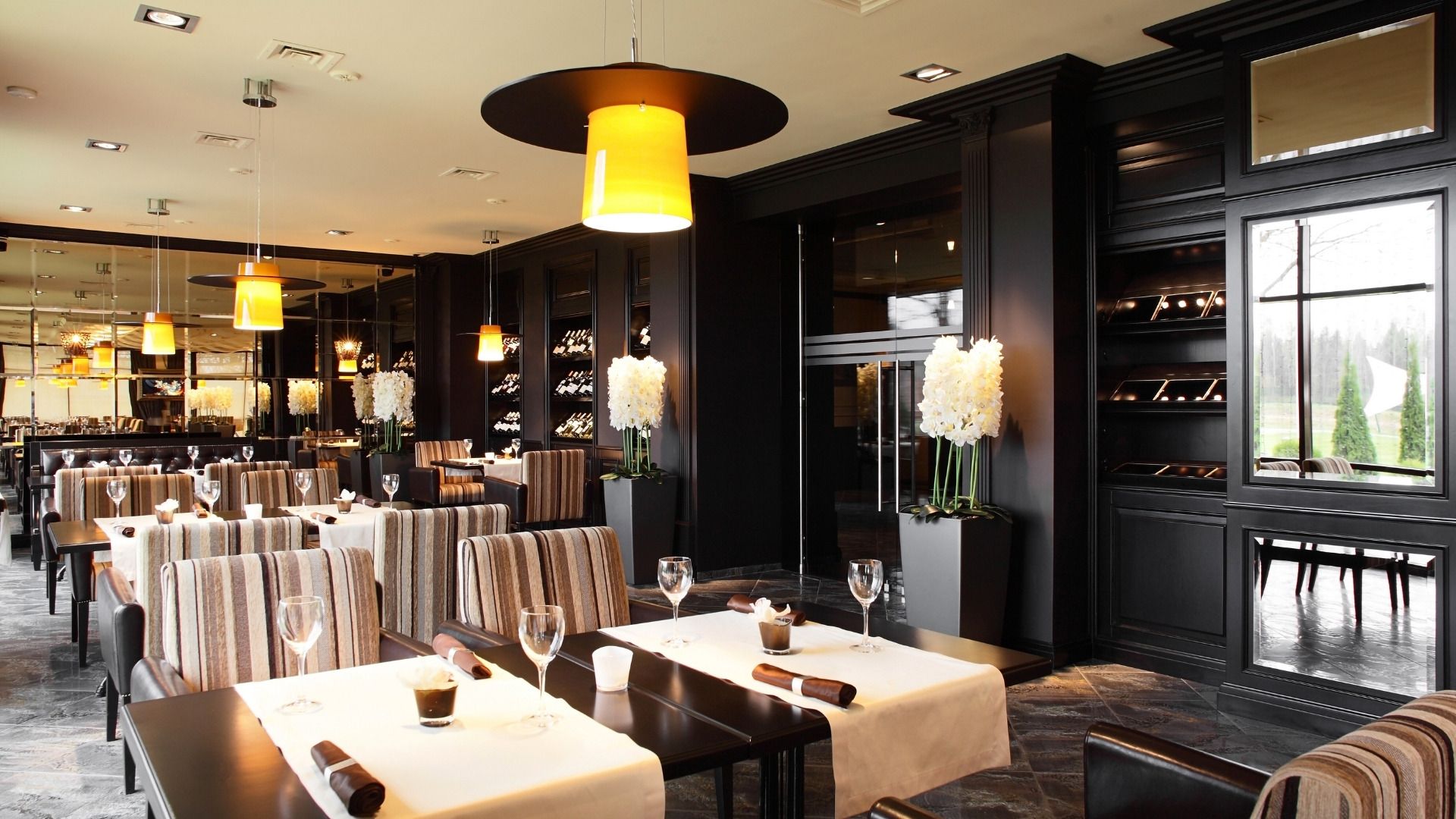
A new category of traveler has emerged in recent decades, one who selects destinations not by beaches or monuments but by reservation availability at specific restaurants. These culinary pilgrims book flights to Copenhagen for Noma, journey to the Basque hills for Asador Etxebarri, venture to Shanghai for the sensory theater of Ultraviolet, or descend beneath Dubai's waters to dine at Ossiano. The restaurants themselves become the primary purpose of travel, with surrounding tourism organized around the central dining experience. This phenomenon represents a significant shift in how certain travelers conceptualize and plan their journeys, elevating gastronomy from incidental pleasure to driving motivation.
The rise of destination restaurants reflects broader cultural changes in how experiences are valued, shared, and pursued. Understanding this movement illuminates evolving relationships between food, travel, identity, and the contemporary search for the extraordinary. What was once the province of wealthy eccentrics has become an established tourism category, complete with dedicated media coverage, specialized travel agencies, and global communities organized around shared culinary aspirations.
Destination restaurants transform dining into travel motivation, drawing guests across continents solely for a singular meal or immersive culinary experience.
The Emergence of the Culinary Pilgrimage
The concept of traveling specifically for dining experiences has historical precedent, with wealthy Europeans visiting renowned restaurants for centuries. However, the contemporary destination restaurant phenomenon crystallized during the early 2000s as several factors converged. The rise of international restaurant rankings, particularly the World's 50 Best Restaurants list launched in 2002, created accessible hierarchies that transformed abstract quality into quantified achievement. Social media amplified awareness exponentially, with diners sharing images and narratives that inspired others to seek similar experiences. The democratization of air travel made international journeys feasible for middle class food enthusiasts who previously lacked access to global gastronomy. Simultaneously, a generation of chefs embraced theatrical, place specific, and conceptually ambitious approaches that could not be replicated elsewhere.
René Redzepi's Noma in Copenhagen epitomized this movement, creating cuisine so rooted in Nordic terroir and seasonal foraging that experiencing it required physical presence in Denmark. The restaurant's temporary relocations to Japan, Australia, and Mexico demonstrated that devoted followers would travel anywhere for the experience. Other establishments developed similarly irreplaceable offerings, from the primal fire cooking of Asador Etxebarri to the multisensory immersion of Ultraviolet, where a single table of guests experiences synchronized projections, scents, and music alongside twenty courses.
Why Extraordinary Dining Demands Extraordinary Effort
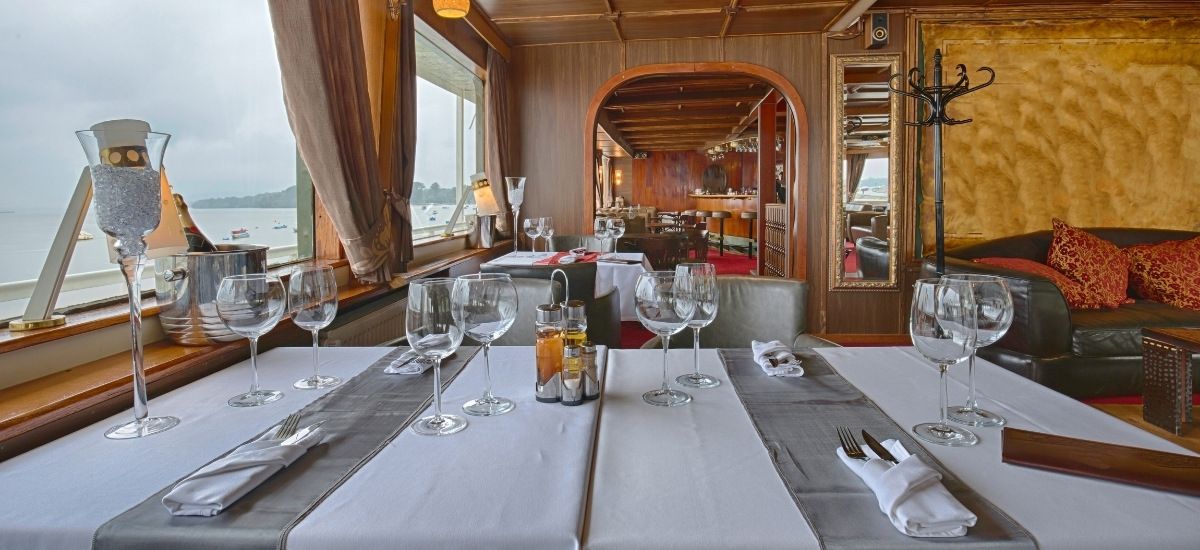
The appeal of destination restaurants extends beyond exceptional food to encompass what such experiences represent in contemporary culture. Securing reservations at oversubscribed establishments requires dedication that itself becomes part of the narrative. The difficulty of access enhances perceived value while creating communities of enthusiasts who share strategies, celebrate successes, and commiserate over failures. Dining at a destination restaurant provides social currency in an era where experiences increasingly define identity and status. Photographs and stories from these meals circulate through networks, signaling taste, sophistication, and membership in informed circles. Yet reducing destination dining to mere status seeking misses genuine motivations driving many pilgrims.
The search for extraordinary experiences reflects deeper desires for meaning, novelty, and transcendence that ordinary life rarely provides. A meal at an exceptional restaurant can genuinely transform understanding of what food can achieve, how ingredients can be handled, and what pleasure the table can provide. These peak experiences create memories that persist long after the final course, providing reference points against which future dining measures itself. The investment of time, money, and effort required to reach destination restaurants heightens attention and appreciation, ensuring that pilgrims arrive primed for meaningful engagement rather than passive consumption.
The Tourism Industry Takes Notice
The economic significance of culinary pilgrimage has not escaped destination marketers, hospitality developers, or tourism authorities. Cities and regions increasingly recognize that world class restaurants drive visitor traffic, hotel bookings, and ancillary spending that multiplies far beyond the restaurant check itself. Copenhagen's tourism narrative now centers substantially on its dining scene, with Noma's influence extending to dozens of establishments opened by alumni and inspired by its foraging philosophy. The Basque Country has leveraged its concentration of exceptional restaurants to position itself as a global gastronomic destination, attracting visitors who spend days exploring the region between reserved meals. Dubai's investment in destination dining reflects strategic understanding that culinary excellence attracts affluent visitors and reinforces luxury positioning.
Hotels have responded by recruiting celebrated chefs and creating food and beverage programs capable of motivating travel independently. The relationship between dining and tourism has inverted in certain segments, with accommodations selected to support restaurant reservations rather than restaurants chosen to complement hotel stays. Travel agencies specializing in culinary itineraries have emerged to serve demand, packaging reservations, accommodations, and supporting experiences into comprehensive journeys organized around sequential dining destinations.

The Takeaway
Destination restaurants represent a profound shift in how certain travelers understand and pursue meaningful experiences. The willingness to cross continents for a single meal reflects contemporary values that prioritize extraordinary moments over accumulated possessions. This phenomenon has matured from niche enthusiasm into established tourism category, reshaping how destinations market themselves and how hospitality businesses conceptualize their value propositions. The restaurants driving this movement share common characteristics: offerings impossible to replicate elsewhere, limited seating that ensures exclusivity, and experiences that transcend mere nourishment to achieve artistic or emotional significance. For travelers, culinary pilgrimage provides structure for exploration, guaranteeing at least one peak experience around which broader discovery can organize.
For destinations, exceptional restaurants serve as anchors attracting visitors who contribute economically and amplify awareness through their networks. The search for extraordinary dining experiences ultimately reflects universal human desires for novelty, beauty, and connection that happen to express themselves through gastronomy in this particular cultural moment. Whether this represents elevated appreciation for culinary craft or merely another manifestation of experience consumption matters less than the genuine pleasure these journeys provide to those who undertake them. The destination restaurant phenomenon reminds us that food, at its most ambitious, can motivate journeys and create memories that endure long after plates are cleared.