Private Membership Clubs: Why They're Booming and What Guests Want From Them
Exploring the surge in exclusive hospitality concepts where belonging has become the ultimate luxury.

A curious phenomenon has emerged across the hospitality landscape: the proliferation of private membership clubs commanding substantial annual fees for access to experiences that, on the surface, resemble what public establishments already provide.
Soho House has expanded globally with waitlists stretching years in desirable markets. Casa Tua members pay significant sums for dining privileges at Mediterranean inspired properties. Aman has extended its ultra luxury hotel brand into residential and club membership offerings. CORE attracts media and entertainment professionals to its exclusive Manhattan space. The Ned combines hotel, restaurant, and members club in historic buildings across London and New York. These establishments and their competitors have attracted devoted followings willing to pay thousands annually for membership privileges.
Understanding this boom requires examining what these clubs actually offer that public alternatives cannot, what psychological and social needs they address, and whether their appeal represents enduring market evolution or cyclical trend susceptible to economic disruption. The answers illuminate broader shifts in how certain consumers conceptualize luxury, community, and belonging in an era of unprecedented access yet persistent desire for distinction.
Modern private clubs thrive by offering curated communities where members seek belonging, exclusivity and shared creative or professional values.
The Appeal of the Velvet Rope
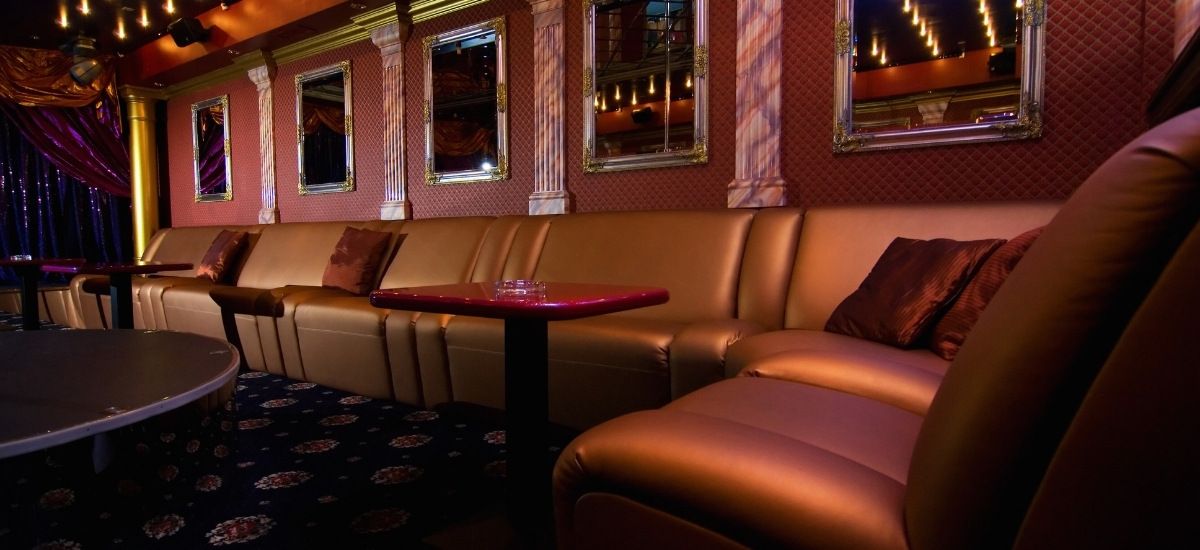
The fundamental value proposition of private membership clubs centers on exclusivity itself. In a world where nearly any restaurant, hotel, or experience can be accessed given sufficient resources, the closed door represents something increasingly rare: genuine scarcity that money alone cannot overcome. Membership committees, application processes, and waitlists create barriers that transform entry into achievement rather than transaction. Once inside, members occupy spaces free from the general public, surrounded by others who have similarly qualified for access. This selectivity addresses desires that public hospitality cannot satisfy regardless of quality. The experience of belonging to something restricted provides psychological rewards distinct from the experience of purchasing something expensive.
Members describe feelings of community, recognition, and home that transcend the physical amenities provided. The clubs themselves cultivate these sensations through design choices, programming, and staff training that emphasize member familiarity and belonging. Regular visitors receive recognition that occasional patrons of public establishments rarely achieve. The model creates recurring relationships rather than discrete transactions, binding members to properties through social connections and accumulated familiarity that make departure costly beyond financial considerations. For those seeking refuge from the anonymity of public spaces, membership clubs offer identity and recognition that wealth alone cannot purchase elsewhere.

What Members Actually Seek
The demographic attracted to membership clubs extends beyond the genuinely wealthy to include aspirational consumers for whom membership signifies arrival and identity.
Annual fees ranging from hundreds to tens of thousands of dollars position various clubs across different market segments, enabling participation at multiple access points. A young creative professional might prioritize Soho House membership as both networking opportunity and status marker, while established executives might gravitate toward more exclusive options like CORE or Aman Club. The experiences provided typically include dining venues, social spaces, wellness facilities, and access to special events, programming that public establishments also offer. The distinction lies less in the amenities themselves than in their curation and the company in which they are enjoyed. Members seek environments where they feel comfortable, recognized, and among peers who share some combination of professional success, creative achievement, or social positioning.
The nightlife components of many clubs provide spaces for socializing without the unpredictability of public venues, while vacation and travel benefits extend the membership relationship across properties and destinations. Aman Club members access preferred rates and recognition across the brand's global portfolio, transforming individual stays into components of ongoing relationship. This integration of dining, nightlife, wellness, and travel under single membership umbrella creates comprehensive lifestyle propositions that fragmented public alternatives cannot match.
Risks, Rewards, and the Question of Staying Power
The membership club boom faces legitimate questions about sustainability. Economic downturns historically pressure discretionary spending, and annual membership fees represent obvious reduction targets when budgets tighten. Clubs that expanded aggressively during favorable conditions may find themselves overextended when circumstances shift. The exclusivity that defines appeal also limits growth potential, creating tension between financial scaling and brand preservation. Soho House's expansion and eventual public offering raised questions about whether the brand could maintain its identity across dozens of properties and hundreds of thousands of members.
Newer entrants must balance accessibility sufficient for financial viability against exclusivity sufficient for aspirational appeal. Some clubs have struggled with this calibration, admitting members too readily and diluting the selectivity that originally attracted their base. The rewards for successful execution remain substantial. High margin recurring revenue from membership fees provides financial stability that transaction based hospitality cannot match. Member loyalty reduces marketing costs while creating advocacy that attracts future applicants. The model generates predictable cash flows attractive to investors and operators alike. Properties like The Ned demonstrate that membership clubs can anchor broader hospitality concepts, with public restaurants and hotel rooms benefiting from the prestige that exclusive membership areas confer on overall brand perception.
The Takeaway
Private membership clubs have proliferated because they address desires that public hospitality cannot satisfy regardless of quality or price point. The need to belong, to be recognized, to occupy spaces shared only with selected others represents human motivation that transcends economic cycles even if specific club fortunes fluctuate with them.
The model's integration of dining, nightlife, wellness, and travel under unified membership creates lifestyle propositions that fragment when pursued across independent establishments. For members, clubs provide consistency, community, and identity that justify fees extending well beyond the transactional value of amenities provided. The risks facing individual operators, including overexpansion, brand dilution, and economic sensitivity, do not diminish the category's fundamental appeal. Some clubs will inevitably fail to maintain the exclusivity that defines their value, while others will navigate challenges successfully and deepen member loyalty across decades.
The broader trajectory suggests that private membership concepts have established themselves as permanent features of the hospitality landscape rather than passing trends. The human desire for belonging and distinction persists regardless of how democratized access to luxury experiences becomes. In fact, the very accessibility of premium public hospitality may intensify demand for spaces that remain genuinely restricted. The velvet rope, it seems, retains its power precisely because so many other barriers have fallen.