The State of Hotel & Resort Dining: Why F&B Is Becoming the Centerpiece of the Guest Experience
Exploring how Michelin starred restaurants, farm partnerships, and chef residencies are transforming hotels from places to sleep into culinary destinations.
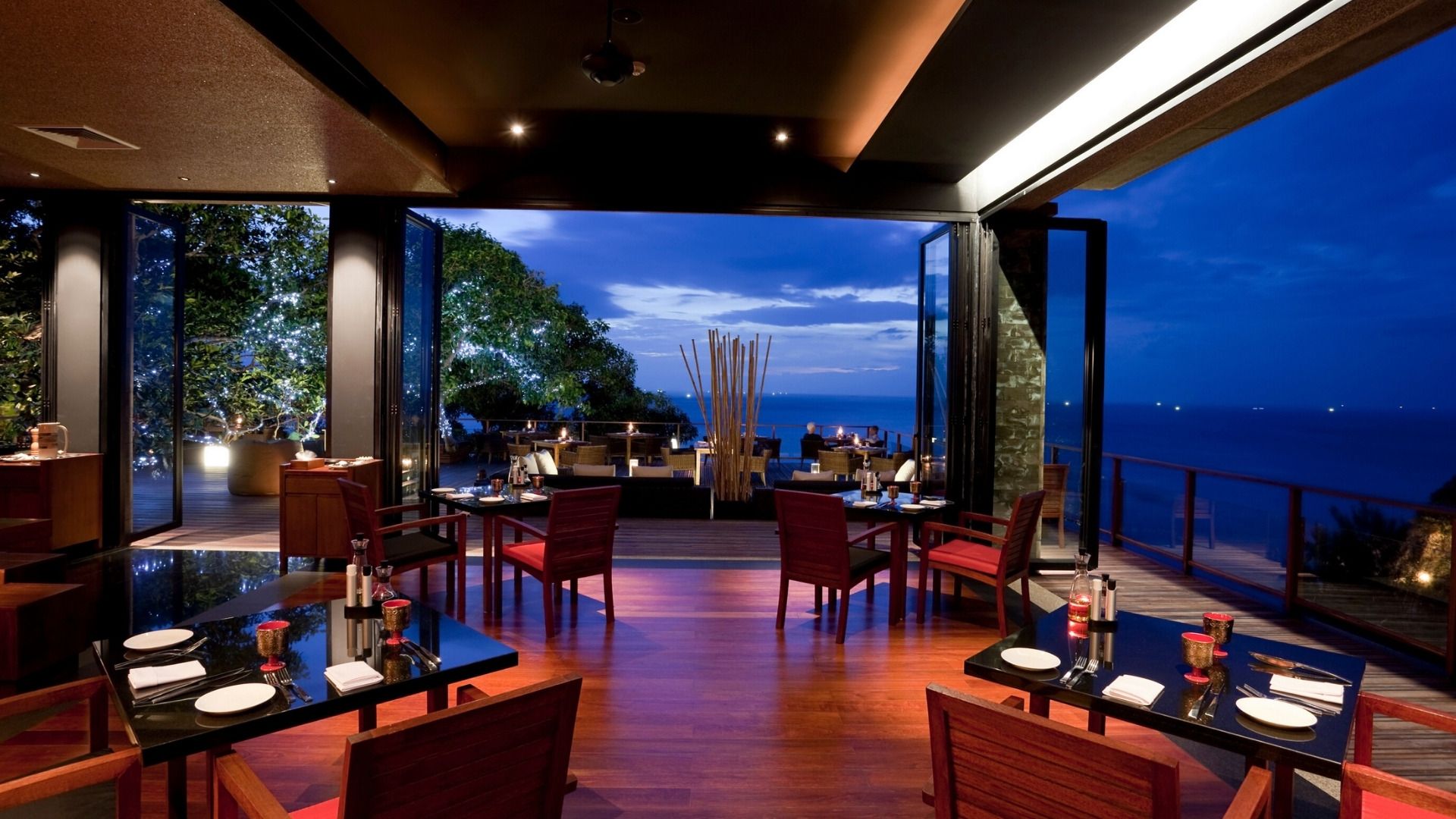
A fundamental shift has occurred in how hotels and resorts conceptualize their food and beverage operations. What once functioned primarily as guest convenience, keeping visitors on property for meals they might otherwise seek elsewhere, has evolved into a strategic centerpiece capable of driving bookings, commanding rate premiums, and defining brand identity. The evidence appears across the industry: luxury properties recruiting celebrated chefs, pursuing Michelin recognition, establishing farm partnerships for proprietary ingredients, developing exclusive spirits programs, and hosting rotating chef residencies that generate anticipation and media coverage.
This transformation reflects broader changes in traveler expectations, where exceptional dining experiences have become essential components of memorable stays rather than pleasant supplements. Hotels competing for discerning guests recognize that undistinguished restaurants undermine overall positioning regardless of room quality or amenity investment. The contemporary hospitality landscape demands culinary excellence as baseline expectation at premium properties, pushing operators toward investments and innovations that would have seemed excessive a generation ago. Understanding this evolution illuminates where hotel dining stands today and where competitive pressure continues driving it.
Hotel and resort dining has evolved into a standalone attraction, with Michelin-starred concepts and chef-driven restaurants drawing guests as powerfully as rooms or amenities.
When Restaurants Become the Reason for the Stay
The concept of destination dining within hotels has matured from novelty to competitive necessity at the luxury level. Properties like the Mandarin Oriental in Hong Kong, with its collection of Michelin starred restaurants, or the Four Seasons in Seoul, where celebrated Korean cuisine draws local and international diners alike, demonstrate how exceptional restaurants transform hotels into culinary destinations. Guests book stays specifically to access these dining experiences, inverting the traditional relationship where meals merely supported accommodation. This dynamic proves particularly pronounced at isolated resorts where guests remain on property throughout their visits. Properties in remote locations must provide comprehensive culinary programming that sustains interest across multiple days, offering variety, quality, and experience that prevents dining fatigue.
Farm to table partnerships have flourished in such settings, with resorts establishing relationships with local producers or cultivating their own gardens to ensure ingredient quality while creating narratives that enhance guest engagement. Proprietary spirits programs extend this approach, with some properties distilling exclusive expressions or partnering with craft producers for unique offerings unavailable elsewhere. These investments create differentiation that competitors cannot easily replicate, building loyalty among guests who return specifically for culinary experiences they cannot access at home.
Even Casinos Understand the Stakes
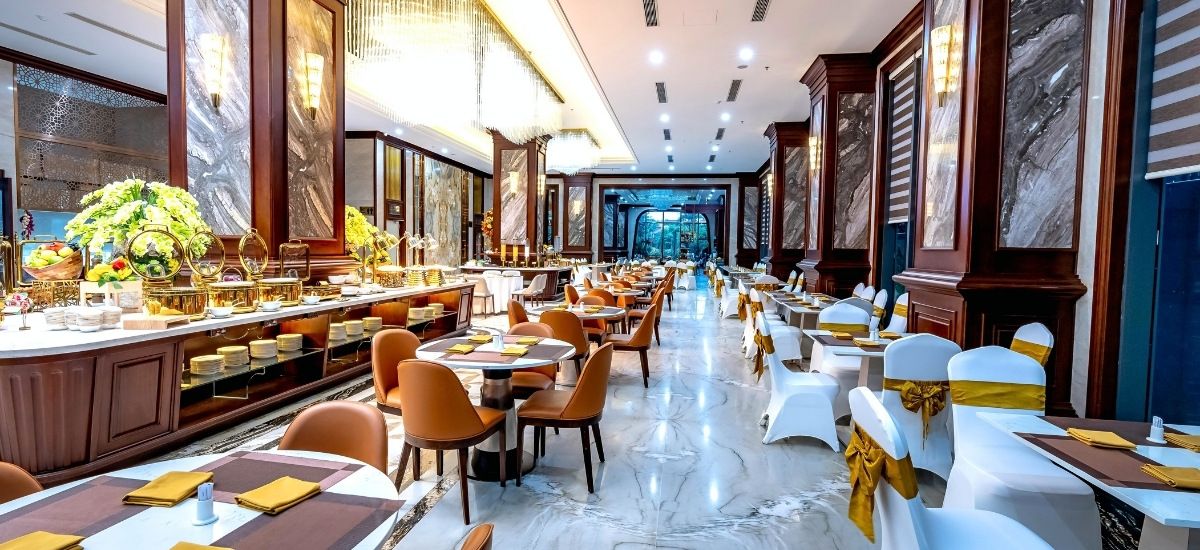
The gaming industry's embrace of culinary excellence provides perhaps the clearest illustration of food and beverage's strategic importance. Las Vegas properties that once relied on cheap buffets to keep gamblers on premises now compete fiercely for acclaimed chefs and prestigious restaurant concepts. The reasoning is straightforward: contemporary visitors expect world class dining regardless of their primary purpose for travel, and properties failing to deliver this lose share to competitors who understand evolved expectations. Wynn, Bellagio, Venetian, and their competitors have assembled restaurant portfolios rivaling dedicated culinary destinations, recognizing that exceptional dining drives overall property perception and justifies room rates. This pattern extends beyond Las Vegas to integrated resorts worldwide, from Macau to Singapore to emerging gaming destinations.
The investment required for culinary excellence is substantial, but properties have learned that undistinguished food and beverage operations create perception damage affecting all revenue streams. A guest disappointed by mediocre dining questions the property's overall quality commitment, while exceptional meals reinforce premium positioning and justify pricing across categories. The casino industry's wholehearted adoption of culinary investment demonstrates that even operators with alternative revenue drivers recognize food and beverage as essential rather than incidental to success.
The Pursuit of Stars and the Pressure to Perform
Hotels increasingly pursue formal culinary recognition, particularly Michelin stars, as validation of their food and beverage commitment. This pursuit has intensified as the guide has expanded into new markets including Dubai, Singapore, and various American cities, creating recognition opportunities where none previously existed. The benefits of starred restaurants extend beyond dining revenue to overall property positioning, media coverage, and appeal to guests who specifically seek Michelin recognized experiences. However, the demands of maintaining such recognition create significant operational pressure.
Starred restaurants require substantial investment in talent, ingredients, equipment, and service training. Chef retention becomes critical, as recognition typically attaches to individuals rather than properties, creating risk when key culinary figures depart. Some hotels have embraced chef residency models that generate excitement through rotating talent without permanent commitment, offering guests limited time access to acclaimed chefs while managing long term obligations. Others have developed culinary directors overseeing multiple outlets, ensuring consistent excellence across diverse concepts. The pressure to perform has elevated hotel dining standards broadly, as properties without star aspirations nonetheless compete against those pursuing recognition. This rising tide benefits guests who encounter improved culinary experiences across market segments, though it creates challenges for operators managing increased costs and heightened expectations.
The Takeaway
Hotel and resort dining has completed a transformation from operational necessity to strategic priority that shapes property identity and competitive positioning. The forces driving this evolution show no signs of reversing.
Guest expectations for culinary excellence continue intensifying as travel becomes increasingly experience focused. Properties that underinvest in food and beverage risk perception damage affecting all aspects of their operations, while those achieving genuine distinction create differentiation that competitors cannot easily match. The isolated resort must provide comprehensive dining variety that sustains guest interest across extended stays. The urban luxury property must compete not only with other hotels but with independent restaurants in sophisticated markets. The integrated resort must justify its positioning through culinary credentials that signal overall quality commitment. These pressures have elevated hotel dining to levels that would have seemed improbable decades ago, when property restaurants served primarily as convenient defaults. Today, the best hotel restaurants rival or exceed the finest independent establishments, featuring acclaimed chefs, exceptional ingredients, and service that meets the highest standards.
For travelers, this evolution delivers benefits at every interaction point. For operators, it demands investment, expertise, and continuous improvement in a category where excellence has become expectation rather than distinction. The centerpiece role of food and beverage in contemporary hospitality appears permanent, reshaping how properties conceptualize their offerings and compete for guests who increasingly choose where to stay based on where they want to eat.