Priced Out: Fans, Costs, and the Americanization of the World Cup
The 2026 World Cup is shaping up to be the most expensive sporting event fans have ever encountered. What it reveals about the future of live experiences should concern anyone who still believes showing up in person matters.
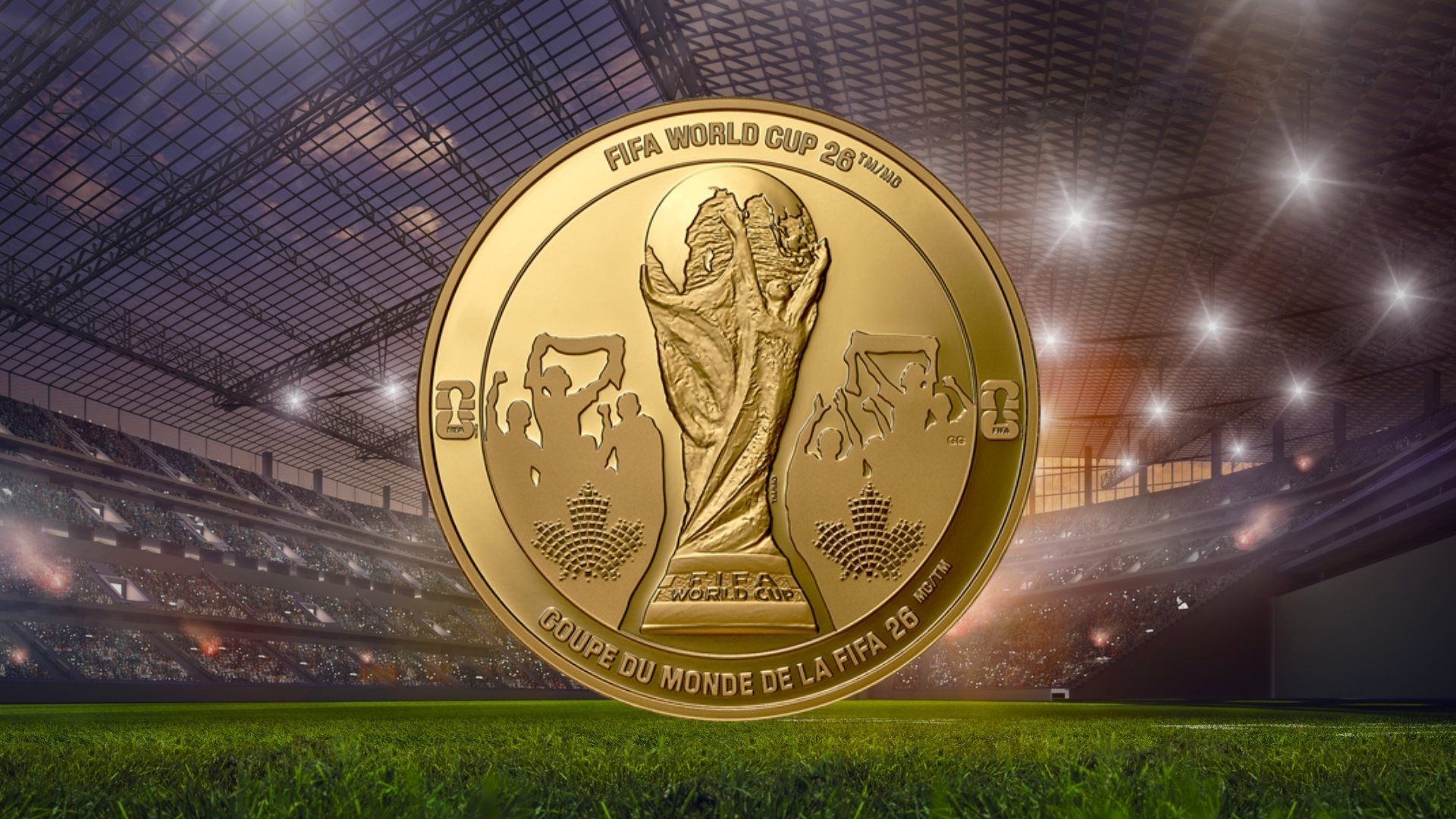
A group stage ticket to see the United States play Paraguay in the opening match of the 2026 FIFA World Cup will cost up to $4,105 for a premium seat. A ticket to the final at MetLife Stadium tops out at $10,990. Those are not secondary market prices inflated by scalpers. Those are prices set by FIFA through a dynamic pricing model that adjusts costs based on real-time demand. The cheapest group stage ticket at the 1994 World Cup, the last time the tournament was held in the United States, cost $25, roughly $54 today. The gap between those numbers is not inflation. It is a philosophical shift in who major sporting events are designed to serve.
The 2026 World Cup is the latest and most visible example of atmospheric event pricing, a trend in which every element surrounding a marquee occasion is priced according to the maximum the market will tolerate at the moment of purchase. It is happening in concerts, in professional sports, and now in the world's most watched athletic competition. The question is no longer whether this approach works financially. The question is what it costs culturally, and whether an event billing itself as a global celebration can survive being engineered primarily as a revenue extraction exercise.
What is unfolding around the 2026 World Cup is not unique, it is a continuation of a broader shift toward premiumization across global experiences. Major events are increasingly designed to maximize yield per attendee rather than total accessibility, with VIP packages, dynamic pricing, and tiered experiences driving revenue.
When Everything Around the Event Becomes the Event
The ticket price is only the beginning. New Jersey Transit has proposed charging more than $100 for a round-trip rail ticket from Penn Station to MetLife Stadium, a journey that normally costs $12.90. The Massachusetts Bay Transportation Authority announced that Boston-to-Gillette-Stadium service would jump to $80, up from the usual $20. Parking near MetLife through FIFA's official partner is listed at $225. Add gasoline above four dollars a gallon, inflated airfare, and hotel rates swollen by tournament demand, and the total cost of attending a single match begins to resemble a vacation budget.
What makes this distinct from ordinary event inflation is the coordination. Transit agencies, venue operators, parking platforms, and hospitality providers are all independently adjusting pricing to capture maximum revenue from the same captive audience. No single entity is orchestrating the squeeze, but the cumulative effect is indistinguishable from one. New Jersey's governor blamed FIFA, pointing to a $48 million security bill for hosting eight matches. FIFA responded that it has never been required to pay for fan transportation at any venue. The finger-pointing obscures the larger dynamic: when an event is significant enough, every adjacent service provider treats it as a repricing opportunity, and the fan absorbs the aggregate cost with no one to hold accountable.

Are We Pricing Out the Next Generation of Fans?
Sixty-nine members of Congress sent a letter to FIFA urging reduced prices, noting that the promise of an inclusive tournament had been undermined by a model they called financially exclusionary. American player Timothy Weah said real fans would miss matches. Tickets reportedly remain available for more than a third of group stage games, and many hospitality packages remain unsold. FIFA's Club World Cup, held in the United States last summer, played several matches before sparse crowds after similarly aggressive pricing.
The deeper concern is generational. Landon Donovan, widely considered the greatest American soccer player, has said he did not know international soccer existed until a neighbor took him to a World Cup match at the Rose Bowl in 1994, when tickets were affordable enough that an ordinary family could attend on a whim. That kind of accidental, transformative exposure is what atmospheric pricing eliminates. When the floor for a group stage match starts at $180 and climbs from there, the audience self-selects toward affluence. The child in the cheap seats who falls in love with the sport never enters the pipeline. The short-term revenue gain is measurable. The long-term audience development cost is invisible, which is exactly why it gets ignored.
The Americanization of a Global Game
Dynamic pricing was pioneered by American airlines in the 1980s, adopted by ride-sharing platforms in the 2010s, and became standard in American professional sports when the San Francisco Giants introduced it to baseball in 2009. The practice has spread to concerts, where the Oasis reunion tour and Taylor Swift's Eras Tour both generated backlash over prices surging into the thousands. UEFA has confirmed it will not use dynamic pricing for the 2028 European Championship, a decision that reads as a pointed contrast to FIFA's approach. The distinction matters because it frames the current pricing not as inevitable evolution but as a specifically American model applied to a global product.
The United States has become one of the most expensive countries in the world to attend live sports. The average cost of attendance for NFL and MLB games has risen more than 300% since the early 1990s. Hosting the World Cup here means importing those economics into a tournament whose global audience includes billions from countries where a single premium ticket exceeds months of income. FIFA's dynamic pricing is not merely a business decision. It is a cultural signal about whose participation is valued. The backlash from fan organizations across France, Spain, and England, some of which have escalated to legal action, suggests the signal has been received clearly.
The 2026 World Cup represents both the future and the tension within global sport. It is bigger, more commercial, and more ambitious than any tournament before it. But with that growth comes a fundamental question about identity, whether the World Cup remains a shared global celebration or evolves into a premium entertainment product.
The Takeaway
The 2026 World Cup will almost certainly be a commercial success by every metric FIFA cares to measure. The tournament is projected to generate more than $11 billion in revenue and $30 billion in broader economic activity. Those numbers will be cited as validation. But commercial success and cultural success are not the same thing, and the distinction matters for any event that claims to represent something larger than a transaction.
Atmospheric event pricing works until it doesn't. It works as long as enough high-spending consumers fill seats and enough prestige surrounds the event to justify the cost. But prestige is not permanent. It is built over generations by the accumulated devotion of fans who felt welcomed, who were present for moments that became memories, and who passed that devotion forward. When the economics of attendance narrow that pipeline to only those who can afford a four-figure afternoon, the event does not die immediately. It begins the slow process of becoming something smaller than it used to be. Whether FIFA, or the live events industry more broadly, recognizes that before the damage is irreversible remains an open and urgent question.
Frequently Asked Questions
Why are World Cup 2026 tickets expected to be expensive?
Prices are rising due to increased demand, larger-scale operations, and a shift toward premium seating and hospitality packages.
How much will it cost to attend the 2026 World Cup?
While official pricing varies, total costs including tickets, travel, and accommodations are expected to be significantly higher than previous tournaments.
Why are travel costs increasing during the World Cup?
Host cities are experiencing surges in demand, leading to higher hotel rates, airfare spikes, and localized price inflation.
What is premiumization in sports?
Premiumization refers to the strategy of increasing revenue by offering higher-end experiences, VIP access, and tiered pricing structures.
Is the World Cup becoming less accessible to fans?
There is growing concern that rising costs are limiting access for traditional fans, particularly those traveling internationally.
How does the U.S. influence the World Cup business model?
The U.S. sports market emphasizes revenue optimization, corporate hospitality, and premium experiences, which may shape how the tournament is structured.
Will the larger format of the 2026 World Cup impact costs?
Yes, more teams and matches increase logistical complexity, which can drive up operational costs and, ultimately, prices for fans.