CLASS 3 OF 5
The Language of Service
Communication Frameworks, Tone, and Word Choice
12-15 minutesThe words hospitality professionals use are not neutral. Every phrase carries weight, sets expectations, and shapes how a guest perceives the quality of their experience. This class breaks down the linguistics of service communication, from the specific words that build confidence to the patterns that erode it, and gives professionals a practical vocabulary for every stage of the guest interaction.
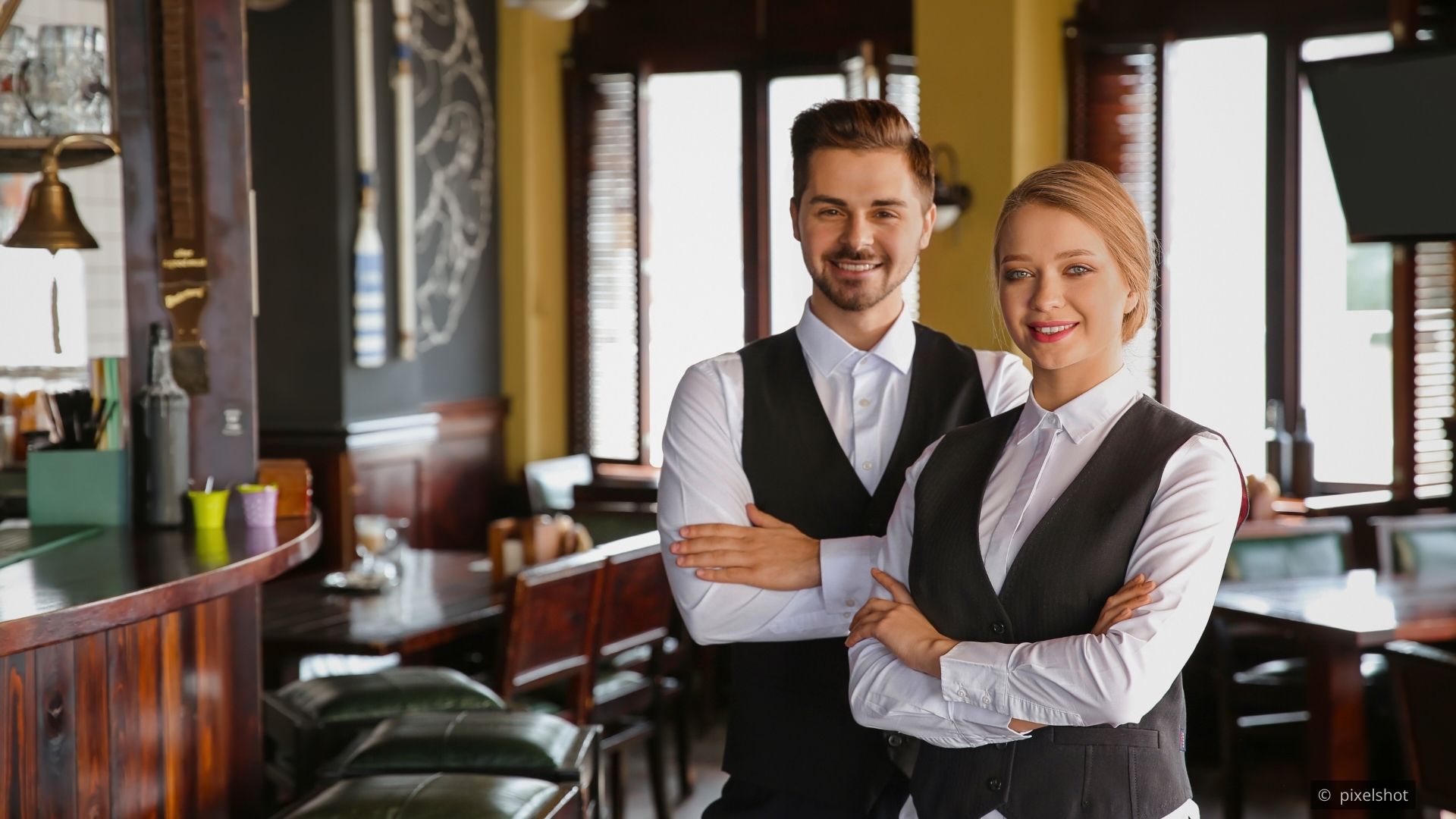
Language does not describe the experience. Language is the experience.
Guests remember how things were said long after they forget what was said. Tone, phrasing, and timing create the emotional texture of every interaction. Professionals who control their language control the guest's perception of the entire property.
Why Word Choice Is a Professional Discipline
Most hospitality training programs teach what to say. Greet the guest. Describe the specials. Confirm the reservation. Thank them for coming. Very few programs teach how the construction of a sentence changes the way a guest feels about the interaction. Linguistics research shows that small shifts in phrasing produce measurably different emotional responses. Saying 'I will find out for you' and 'I don't know' deliver the same factual content, but they create entirely different perceptions of competence. One communicates ownership. The other communicates limitation. The professionals who understand this distinction treat language as a tool with the same precision they apply to mise en place, room setup, or revenue management. It is not about being scripted. It is about being intentional.

The Architecture of Confident Language
Confident service language has a consistent structure. It leads with action, centers the guest, and eliminates ambiguity. Compare two responses to the same request. A guest asks for a table change. Response one: 'Um, I think we might be able to do that, let me check if anything is available.' Response two: 'Absolutely. Let me find the right table for you.' The factual outcome may be identical. Both require the host to check availability. But the second response communicates control, willingness, and competence in a single sentence. The difference is not confidence as a personality trait. It is confidence as a language pattern. The verb is active, not passive. The framing is positive, not conditional. The guest is centered as the beneficiary of the action.
Linguistics researchers identify several markers that separate high-confidence from low-confidence communication. Hedging language, words like 'maybe,' 'possibly,' 'I think,' and 'sort of,' signals uncertainty even when the speaker is certain. Tag questions, such as 'That works, right?' or 'Is that okay?' transfer decision-making authority back to the guest in moments where the professional should be leading. Filler words and false starts erode the perception of preparedness. None of these patterns indicate a lack of knowledge. They indicate a lack of language discipline. The fix is not motivation. It is practice. Replacing 'I think the restaurant opens at six' with 'The restaurant opens at six' is a one-word edit that changes the entire dynamic of the exchange.
Tone as a Service Instrument
Tone operates independently from word choice, and in many cases it carries more influence. A perfectly worded sentence delivered in a flat, rushed, or disinterested tone will fail. The same sentence delivered with warmth, measured pace, and genuine inflection will land. Research in vocal dynamics shows that listeners evaluate sincerity primarily through pitch variation and pace. A monotone delivery signals disengagement regardless of the words being used. Vocal warmth, characterized by a slightly lower pitch, moderate speed, and natural pauses, signals attentiveness and care. Hospitality professionals who develop tonal awareness gain a second communication channel that reinforces their words rather than undermining them.
Tone management becomes especially critical during service recovery and high-pressure moments. When a guest is frustrated, the natural human instinct is to match their energy, to speak faster, to raise pitch, to become defensive. Trained professionals do the opposite. They lower their vocal register, slow their cadence, and increase the length of their pauses. This technique, sometimes called pacing down, has a measurable calming effect on the listener. It works because the human nervous system is wired for vocal entrainment. We unconsciously synchronize with the tonal patterns of the person speaking to us. A professional who controls their tone during a difficult interaction is not just managing their own composure. They are actively influencing the guest's emotional state.

Phrases That Build and Phrases That Break
Certain phrases function as trust accelerators in hospitality. 'Let me take care of that' communicates ownership without qualification. 'What I can do for you is' reframes a limitation as an action. 'You are in the right place' affirms the guest's decision to be there. 'Allow me' signals attentiveness with elegance. These phrases work because they share a common structure: the professional is the active agent, the guest is the beneficiary, and the outcome is framed as certain. Contrast these with phrases that quietly erode trust. 'That's not my department' communicates fragmentation. 'You'll have to' places the burden on the guest. 'Unfortunately' leads with negativity before the guest hears the solution. 'No problem' responds to a thank-you by referencing a problem that did not exist. Each one is small. Collectively, they shape the linguistic atmosphere of a property.
The most disciplined hospitality organizations build phrase libraries. Not scripts, but curated collections of preferred language for common situations. The Ritz-Carlton's service vocabulary is legendary in the industry. Their teams do not say 'no problem.' They say 'my pleasure.' They do not say 'you're welcome' as a reflexive response. They say 'it is my pleasure to assist you.' These choices are not arbitrary. They are the product of deliberate linguistic design. Building a phrase library for your own property or team does not require a corporate mandate. It requires a manager who pays attention to how language lands, collects the phrases that work, eliminates the ones that do not, and makes the conversation about word choice part of the daily rhythm of the operation.
In Conclusion
Language in hospitality is not decoration layered on top of service. It is a structural element of the experience itself. The words a professional chooses, the tone they deliver them in, and the patterns they default to under pressure all determine how a guest perceives the quality of their interaction. This is not about memorizing scripts or performing enthusiasm. It is about building a working vocabulary of phrases that communicate competence, warmth, and ownership, and practicing them until they become the natural default. The professionals who treat language as a discipline gain an advantage that guests feel immediately and competitors struggle to replicate.
Key Takeaways
- Small shifts in phrasing produce measurably different emotional responses in guests
- Confident language leads with action, centers the guest, and eliminates ambiguity
- Hedging words and tag questions erode perceived competence even when knowledge is strong
- Tone operates independently from word choice and often carries more influence on guest perception
- Phrase libraries give teams a shared vocabulary that elevates consistency across every interaction
The right words at the right moment do not just describe great service. They become it.