CLASS 2 OF 5
Reading the Room
Nonverbal Cues, Anticipation, and Emotional Intelligence
12-15 minutesGreat service is not reactive. It is anticipatory. The ability to read a guest's emotional state, energy level, and unspoken needs before they ask is what separates competent hospitality from extraordinary hospitality. This class explores the behavioral science behind nonverbal communication and gives professionals a working framework for reading guests in real time.
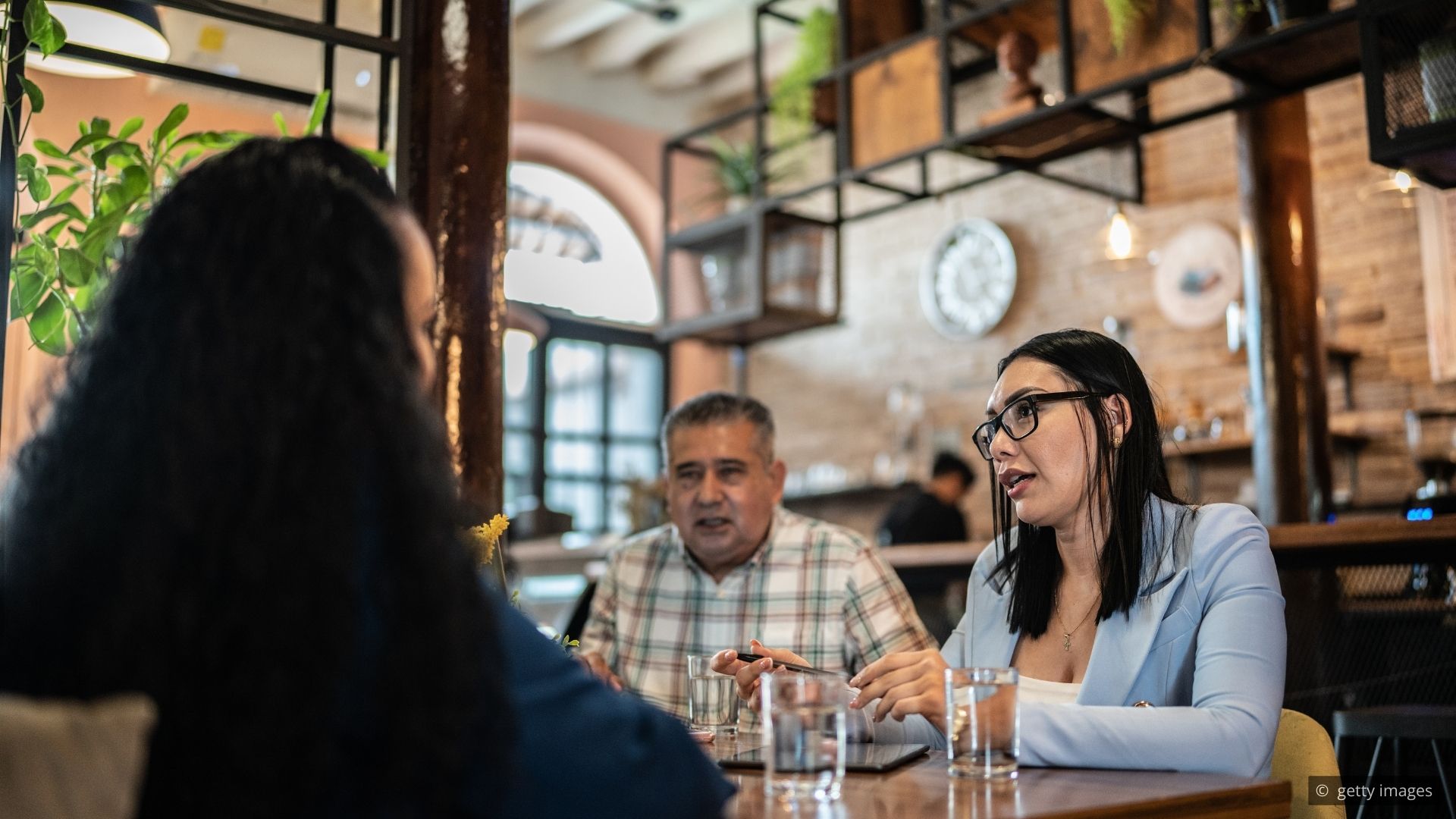
The best service answers questions the guest never asked.
Guests rarely articulate their deeper needs. They signal them through posture, pace, tone, and micro-expressions. Professionals who learn to decode these signals can respond to what the guest actually needs, not just what they say they need.
Why Observation Is the Foundation of Anticipatory Service
There is a moment in every guest interaction that separates adequate service from the kind people remember. It is not the greeting. It is not the product. It is the moment a professional sees something the guest has not yet said out loud and acts on it. A server who brings a blanket to a guest on the terrace before they shiver. A front desk agent who offers a quieter room to a couple who arrived with visible tension. A host who adjusts the pace of seating because they noticed a guest walking with discomfort. These are not lucky guesses. They are the result of trained observation, a skill that can be developed as deliberately as any technical competency in hospitality.
The Science of Nonverbal Communication
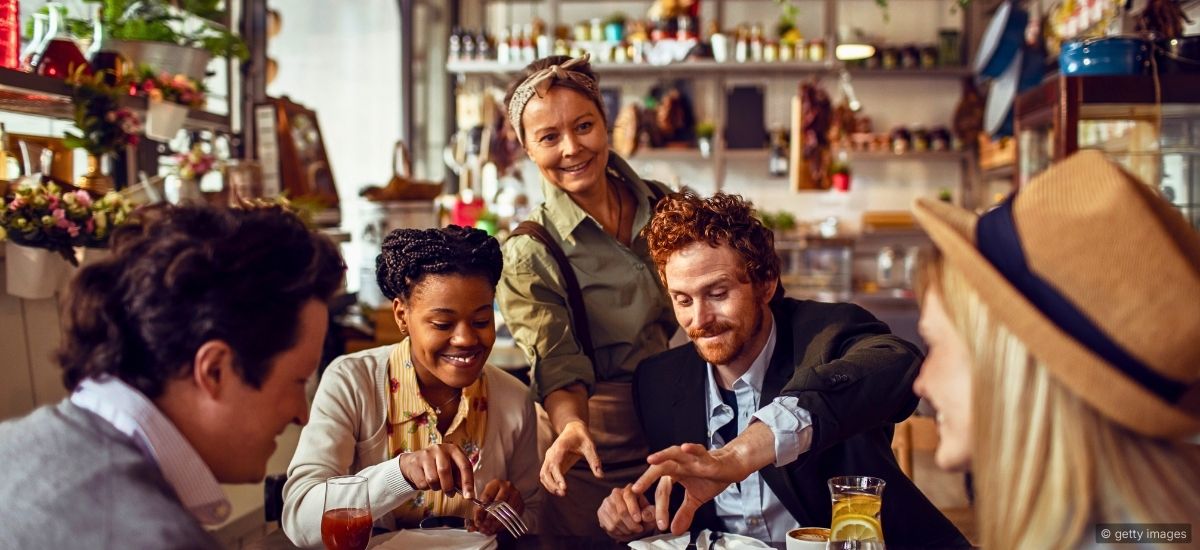
Albert Mehrabian's research at UCLA established a foundational principle that has shaped communication studies for decades: when emotional content is being communicated, words account for roughly 7 percent of the message. Tone of voice carries 38 percent. Body language carries 55 percent. While these ratios have been debated and refined over the years, the core insight remains sound. In emotionally charged environments, and hospitality is inherently emotional, what people say with their bodies matters far more than what they say with their words. A guest who says everything is fine while avoiding eye contact and sitting with crossed arms is telling you two different things. The professional who catches the contradiction has access to the real story.
Nonverbal cues fall into several categories that hospitality professionals can learn to track. Kinesics covers body movement, posture, gestures, and facial expressions. Proxemics deals with how people use physical space, how close they stand, where they choose to sit, whether they lean in or pull back. Paralinguistics addresses vocal qualities beyond words: pitch, speed, volume, and pauses. Chronemics involves the use of time, whether a guest seems rushed or leisurely, impatient or relaxed. Each of these channels transmits information continuously, and guests are rarely aware of what they are broadcasting. The trained observer does not need to ask how a guest is feeling. They can see it.
Patterns That Predict Guest Needs
Reading the room is not about interpreting a single gesture. It is about recognizing patterns. A guest glancing around the restaurant repeatedly is not admiring the decor. They are looking for their server. A couple sitting in silence with closed body language is not enjoying a quiet evening. They may be in conflict, and the professional response is to reduce interaction, not increase it. A business traveler who walks quickly through the lobby with a phone to their ear does not want to be greeted with a lengthy check-in conversation. They want efficiency. These patterns are predictable because human behavior under specific emotional states is remarkably consistent across cultures and contexts.
The hospitality industry's best operators have formalized pattern recognition into their training programs. Four Seasons teaches staff to observe guests for 15 seconds before approaching, giving the team member time to assess mood, pace, and social dynamics. Aman Resorts trains their teams to distinguish between guests who want engagement and guests who want privacy based on spatial behavior alone. These are not intuitive gifts. They are structured observation protocols that any professional can learn. For restaurants pursuing four and five-star service, Restaurant Standards brings this same level of structured discipline to daily operations, giving teams the framework to build observation-driven habits that run effortlessly across every shift. The key shift is moving from a task-oriented mindset, where you approach the guest because it is time to take their order, to a perception-oriented mindset, where you approach the guest because the signals indicate they are ready.
Building Emotional Intelligence as a Professional Skill
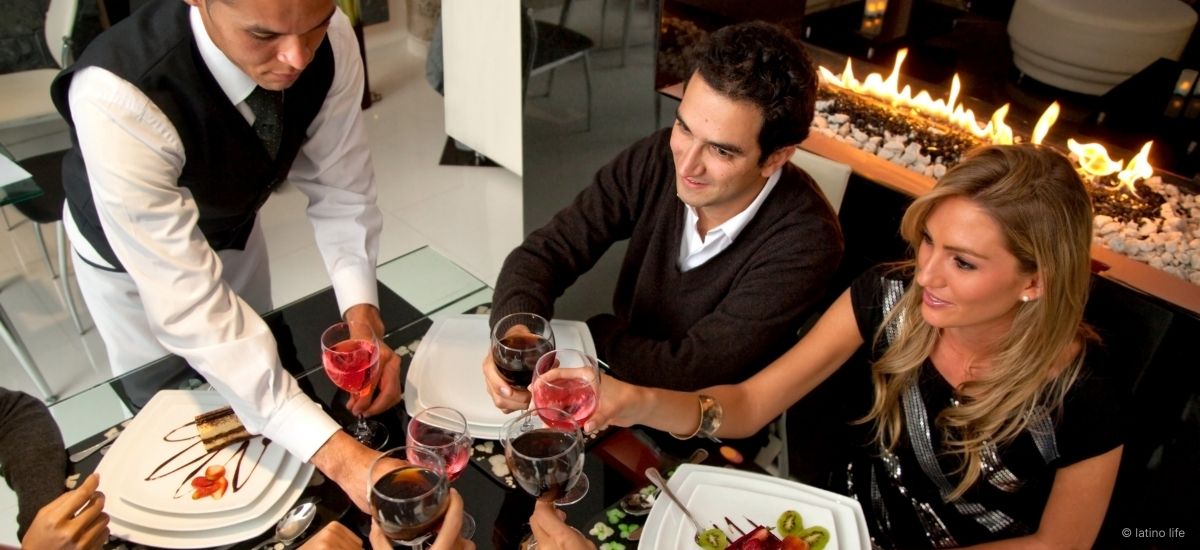
Emotional intelligence in hospitality is not a personality trait. It is a skill with four measurable components, as defined by psychologists Peter Salovey and John Mayer and later popularized by Daniel Goleman. The first is perception: accurately identifying emotions in yourself and others. The second is facilitation: using emotional information to guide your thinking and prioritize responses. The third is understanding: recognizing why someone feels a certain way, what triggered it, and how it might evolve. The fourth is management: regulating your own emotional responses while influencing the emotional state of the guest. In practical terms, a server who notices a guest becoming frustrated does not mirror that frustration. They slow down, lower their vocal pitch, and project calm. That deliberate response is not suppression. It is management.
The development of emotional intelligence follows the same trajectory as any professional skill. It starts with awareness, moves to deliberate practice, and eventually becomes automatic. New hospitality professionals tend to focus on their own tasks and scripts. Intermediate professionals begin noticing guest behavior but are not always sure how to respond. Advanced professionals read a room the way a musician reads a score. They see the full composition, not just their own part. The path from one stage to the next is not mysterious. It requires structured observation practice, regular debriefing with mentors or managers, and a culture that treats reading people as a core competency rather than a nice-to-have personality trait.
In Conclusion
Anticipatory service is the defining feature of world-class hospitality. It cannot be achieved through scripts, checklists, or standardized timing alone. It requires the ability to see what guests are communicating beneath the surface and respond with precision. Reading the room is not a talent reserved for naturally empathetic people. It is a discipline built on behavioral science, sharpened through practice, and sustained by a culture that values observation as much as execution. The professionals who develop this skill do not just meet expectations. They consistently exceed them in ways that feel personal, effortless, and impossible to replicate by competitors who are not paying attention. Restaurant Standards helps restaurant teams build that culture from the ground up, turning observation into a daily operational standard.
Key Takeaways
- Nonverbal cues carry over 90 percent of emotional communication in guest interactions
- Trained observation for 10 to 15 seconds before approaching allows accurate assessment of guest mood and needs
- Behavioral patterns under specific emotional states are consistent and predictable across guest types
- Emotional intelligence has four measurable components: perception, facilitation, understanding, and management
- Anticipatory service is a trainable discipline, and platforms like Restaurant Standards give restaurant teams the structure to practice it consistently
Service is what you do. Hospitality is how the guest feels. The difference lives in what you see before they speak.