Is the Water Sommelier Peak Restaurant?
When the wine specialist quietly disappears and a bottled water specialist takes the stage, something larger is being said about the state of American dining.
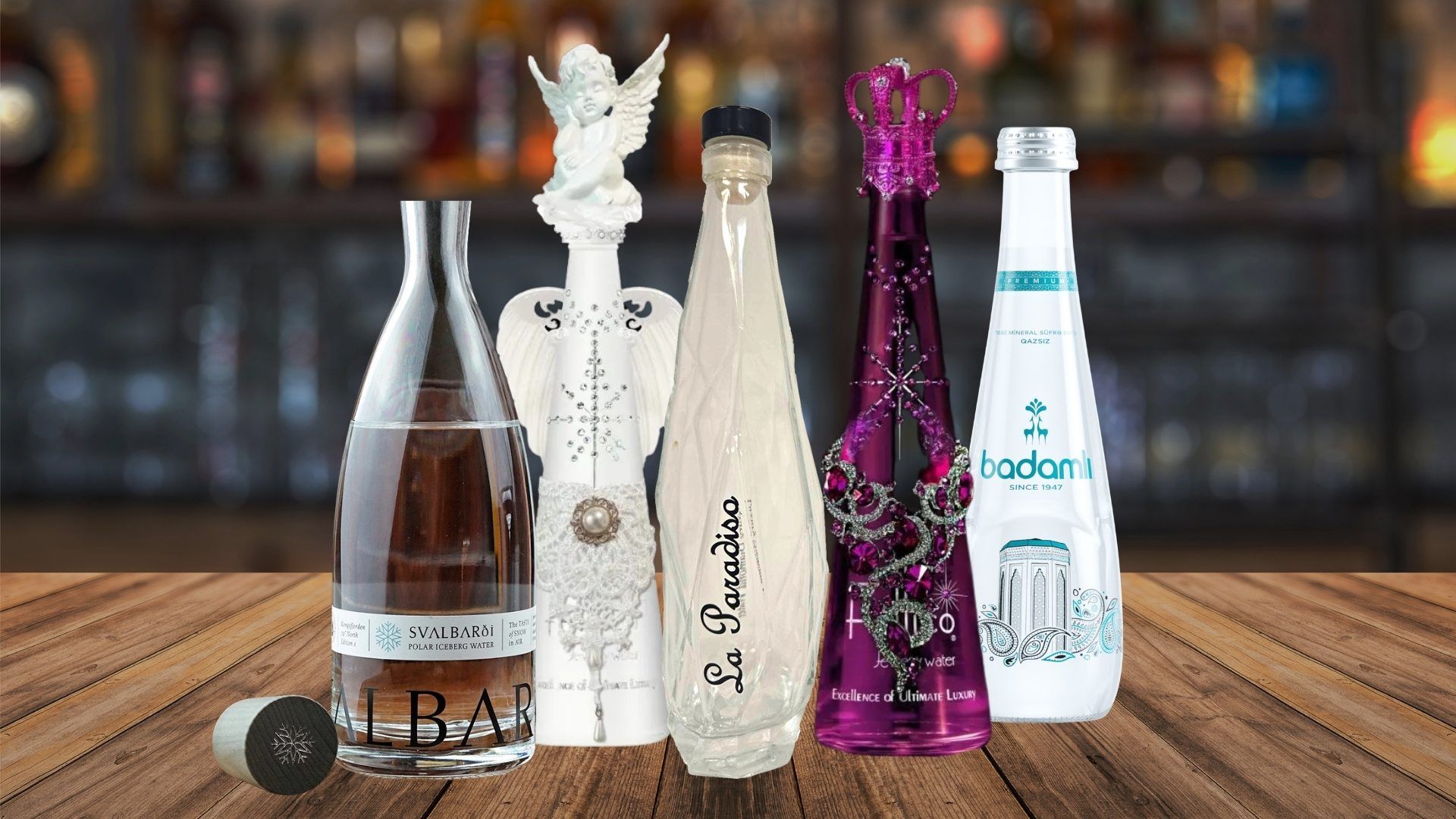
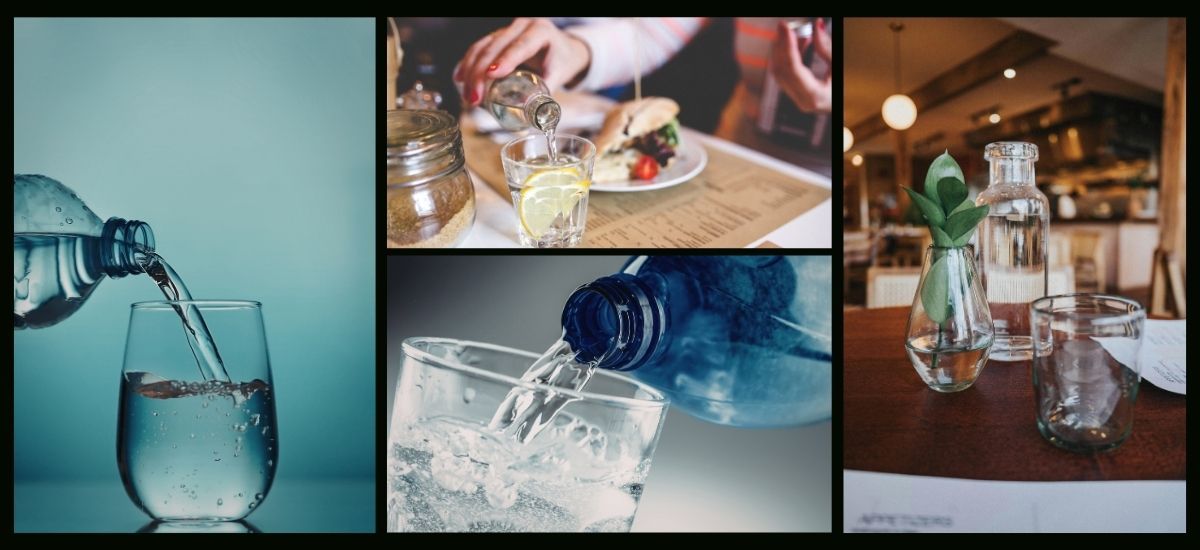
Walk into a certain kind of restaurant in Los Angeles or New York and you may encounter a phenomenon that would have seemed inconceivable a decade ago. A staff member arrives at your table not with a wine list but with a water list, sometimes thirty bottles deep, ranging from a domestic still water at eleven dollars to a Norwegian iceberg melt approaching one hundred. The water sommelier is the newest credentialed expert in the dining room, trained to speak fluently about minerality, total dissolved solids, source geology, and mouthfeel.
It is worth pausing to examine this development, because the water sommelier did not appear in a vacuum. The role emerged at precisely the moment when the traditional wine sommelier began disappearing from American restaurants, and the conditions that produced both shifts are the same. To understand one is to understand the other, and to understand both is to glimpse something significant about where the industry is heading, and to ask whether the trajectory is sustainable.
The water sommelier is not really about water. It is about where hospitality culture is heading. As consumers increasingly chase exclusivity, restaurants respond by creating more layered and specialized experiences, whether through reserve wine programs, bespoke cocktail menus, or curated mineral water selections.
The K-Shape Reaches the Tasting Menu
The American restaurant industry has entered what economists increasingly call a K-shaped recovery, a pattern in which different segments of the same sector diverge rather than rise together. According to the National Restaurant Association, more than sixty percent of operators reported traffic declines in 2025 while only fifteen percent saw growth, and roughly four in ten restaurants were unprofitable for the year. Luxury and fine dining have largely held their ground, however, sustained by higher-income consumers who have proven remarkably insulated from the inflationary pressures squeezing everyone else. Only about a third of tracked brands posted positive comparable sales last year, and those that did were disproportionately concentrated at the top of the market.
This bifurcation creates a peculiar incentive structure. Operators serving middle-income guests are cutting costs anywhere they can, including specialized service roles, while operators at the high end chase additional revenue from the diners they still have. Premiumization, the practice of layering higher-margin upgrades onto an existing offering, has become one of the few reliable growth strategies available. The water sommelier is a textbook expression of this logic. A bottle of water that previously cost the restaurant a dollar and the guest five dollars can, with the right narrative apparatus and a credentialed expert presenting it, become a fifteen-dollar or fifty-dollar line item. The margin is extraordinary, and the operational cost is minimal.
Where Did the Sommelier Go?
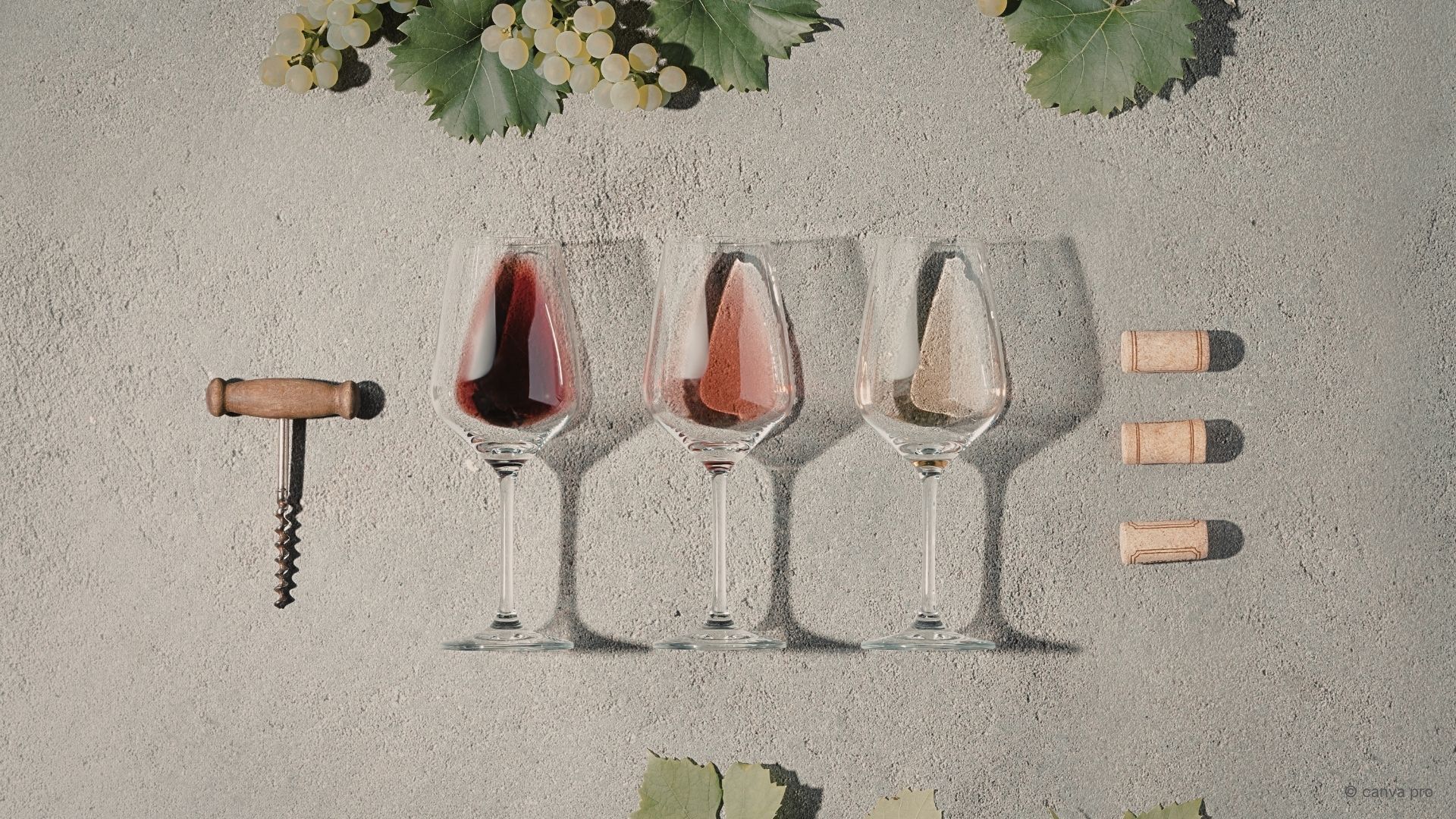
The disappearance of the wine sommelier has been one of the quieter casualties of the post-pandemic restaurant economy. Wine sales in the United States fell approximately six percent in 2024, continuing a multi-year decline that the industry itself has begun describing as existential. Younger consumers are drinking less, and when they do drink, they are increasingly choosing cocktails, spirits, or non-alcoholic alternatives rather than the bottles a sommelier is trained to sell. Eric Asimov of the New York Times wrote in 2024 of the twilight of the American sommelier, and the data has only confirmed his observation since.
When a restaurant eliminates its sommelier, the rationale is usually framed in terms of cost control, but the deeper cause is structural. The traditional sommelier model assumed a guest who wanted to drink three or four glasses of wine across a meal and trusted an expert to guide them through a substantial list. That guest has not vanished entirely, but the population has thinned considerably, particularly among Gen Z and younger millennials. The water sommelier, by contrast, sells to a guest who specifically does not want to drink alcohol, and that population is growing rapidly. From an operator's perspective, the swap is rational. From a cultural perspective, however, the substitution reveals something interesting. The restaurant did not lose its appetite for credentialed beverage expertise. It simply migrated that expertise toward the category where consumer demand and premium margin still intersect cleanly.
Theater and Substance
Here the question becomes more philosophical. The original sommelier role, at its best, offered something genuinely valuable, a guide through a complex world of producers, regions, vintages, and traditions, capable of expanding a guest's understanding and creating memorable encounters with bottles they would never have selected alone. The role was educational, and the wine itself carried centuries of agricultural and cultural depth. Whether the water sommelier offers a comparable experience is fair to ask. A bottle of mineral water, however carefully sourced, does not have a vintage, a winemaker, a vineyard history, or a story that meaningfully changes from one harvest to the next.
This distinction matters because the cultural moment, particularly among younger diners, has shifted decisively toward experience rather than status. Survey after survey suggests that Gen Z is less interested in luxury as a signaling exercise and more interested in authenticity, story, and participation. A ninety-five-dollar bottle of glacier water served by a credentialed specialist sits awkwardly within that frame. It can be presented as experience, but its underlying structure is closer to pure extraction, charging a premium for a commodity by wrapping it in expert vocabulary. The wine sommelier, whatever the role's occasional excesses, at least pointed toward something with genuine substance behind it. The risk for restaurants leaning hard into water programs is that the format reads as theater for an audience that increasingly recognizes theater when it sees it.
The Takeaway
Whether the water sommelier represents peak restaurant in the sense of an industry apex or peak restaurant in the sense of a high point before a long descent is not yet possible to say. What is clear is that the trend belongs to a coherent set of conditions: a bifurcated consumer base, declining wine sales, rising operating costs, and a relentless search for premium margin within a shrinking pool of guests willing to pay it. None of these conditions are likely to reverse in the near term, which suggests the water sommelier is not a passing curiosity but a representative figure of where a meaningful slice of American fine dining is choosing to head.
The rise of water sommeliers is not necessarily evidence that hospitality has lost its mind, but it does reflect a deeper shift in consumer culture. Restaurants are under enormous financial pressure while simultaneously competing in an escalating battle for attention and differentiation. The question is not whether luxury dining will continue, but whether consumers eventually decide they want something more grounded again.
The harder question is whether the destination is sustainable. Premiumization works only as long as someone is willing to pay the premium, and the demographic data suggests the next generation of high-end diners may be less interested in paying for status symbols dressed as expertise. Restaurants that build their growth strategy on extracting more dollars from the same guests, rather than on creating experiences worth the dollars in the first place, may find the model thinner than it appears. The water sommelier is a fascinating cultural artifact, and a useful diagnostic. Whether it is also a strategic warning sign is something the industry will need to figure out before the trend either matures into a fixture or quietly recedes.
Frequently Asked Questions
What is a water sommelier?
A water sommelier is a beverage professional trained to evaluate and recommend bottled waters based on factors such as minerality, mouthfeel, source, and pairing potential with food.
Do restaurants actually employ water sommeliers?
Some luxury restaurants and hotels have introduced water sommeliers or curated water programs as part of ultra-premium dining experiences, though the role remains niche.
Why has premiumization become so common in restaurants?
Restaurants increasingly rely on high-margin luxury experiences, tasting menus, exclusive products, and curated beverage programs to offset rising operational costs and attract affluent consumers.
Are traditional sommelier jobs declining?
In many markets, standalone sommelier roles have become less common outside luxury restaurants, as operators streamline staffing and consolidate responsibilities.
What does “premiumization” mean in hospitality?
Premiumization refers to the strategy of offering more exclusive, expensive, or curated experiences to increase perceived value and revenue per guest.
Why are some consumers embracing hyper-premium dining experiences?
Experiences increasingly function as status markers, particularly in luxury travel and social media culture, where exclusivity and uniqueness carry social value.
Has the restaurant industry reached “peak luxury”?
Some industry observers believe hospitality may be approaching a saturation point where escalating prices and excessive curation begin to alienate consumers rather than attract them.