Restaurants at a Crossroads: Reinventing Dining in a Changing Economy
As alcohol sales soften and costs surge, operators are redefining value, experience, and survival.
There is a quiet rearrangement happening across the American restaurant industry, and most diners have not yet felt its full weight. Alcohol consumption has fallen to historic lows, with only 54% of American adults reporting that they drink at all, the lowest figure in nearly a century of Gallup polling. Labor costs continue to climb. Staffing quality remains inconsistent. And automation is advancing rapidly through both the front and back of house. For an industry that has long depended on beverage sales to subsidize razor-thin food margins, these shifts are not minor adjustments. They represent a structural challenge to the way restaurants have operated for decades.
The question facing operators, beverage professionals, and anyone who cares about the culture of dining is no longer whether adaptation is necessary. It is how fast that adaptation can happen, and whether the traditional restaurant experience will survive as something accessible to everyone or gradually become a luxury reserved for fewer and fewer consumers. The forces converging on this industry are real, but so are the opportunities hiding inside them for those willing to rethink rather than retreat.
Alcohol can account for up to 70 percent of a restaurant’s profit, making its decline especially impactful.
The Margin Problem No One Wants to Talk About
Alcohol has historically served as the financial backbone of restaurant profitability. Beverage programs carry significantly better cost percentages than food, and for many full service restaurants, alcohol sales have accounted for roughly 20% or more of total revenue. That number has been declining steadily. Industry data shows alcohol's share of restaurant revenue dropped from 21.1% in 2013 to 17.1% in 2023, and the trajectory has only continued downward. Research firm Technomic found that nearly a third of restaurant operators reported severe declines in alcohol sales in the past year alone. Per person spending at table service restaurants has also fallen, dropping from approximately $1,100 in 2019 to roughly $1,000 in 2025 when adjusted for inflation and population growth.
When you pair that revenue erosion with rising wages, higher food costs, and a labor pool that increasingly lacks the training and institutional knowledge that once defined great hospitality, the math gets difficult quickly. The traditional model of relying on beverage sales to carry the business is under real strain, and the operators feeling it most acutely are not the fine dining establishments with pricing power. They are the neighborhood restaurants, the bistros, the family-run spots where a well-curated wine list and a few strong cocktails once made the difference between breaking even and turning a profit.
What Does a Two-Tier Restaurant Future Look Like?
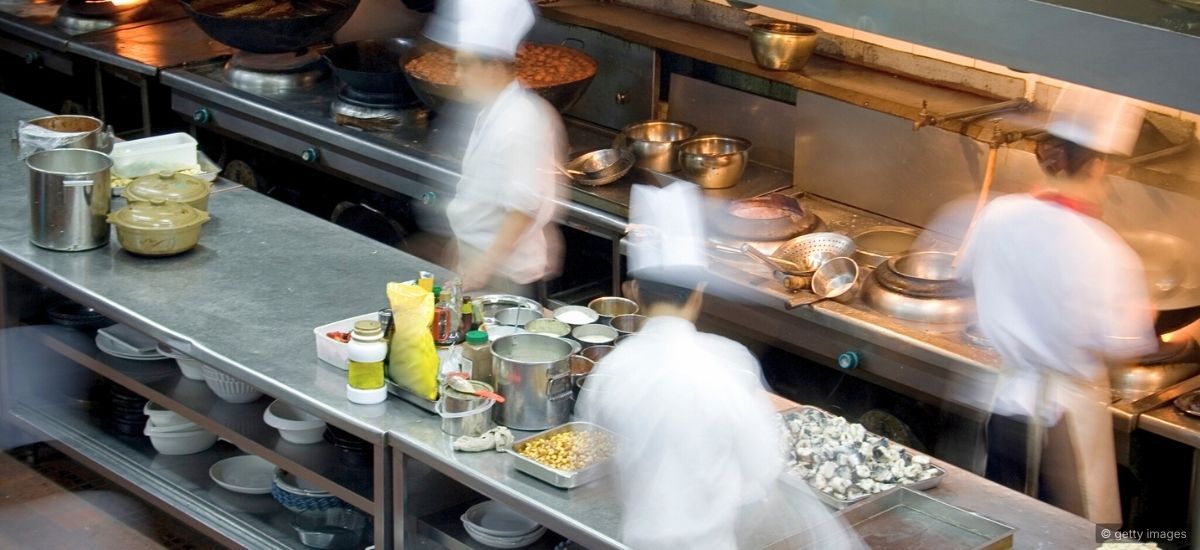
What emerges from this convergence is a dining landscape that risks splitting into two distinct tiers. On one side, premium and fine dining establishments will continue to invest in human talent, personalized service, and curated experiences, but at price points that become increasingly inaccessible to the average consumer. On the other, a growing segment of casual and mid-market restaurants will lean harder into automation, from robotic food runners and AI-powered ordering systems to fully automated kitchen lines. The robot waiter market alone is projected to approach $2 billion by 2028, and chains are already deploying these systems at scale.
This shift is not inherently negative. Automation can reduce physical strain on staff, improve consistency, and allow human team members to focus on genuine hospitality rather than repetitive tasks. But it does raise an important question about what the dining experience becomes when the human element is minimized. If the traditional sit-down restaurant, with knowledgeable servers who can walk you through a wine list and thoughtful beverage programs designed to complement a menu, is priced out of reach for the majority, the cultural role of dining out changes fundamentally. Eating together in a restaurant has always been about more than food. It has been about connection, occasion, and the particular pleasure of being taken care of by someone who knows what they are doing.
The Experience Around Alcohol Needs to Evolve, Not Disappear
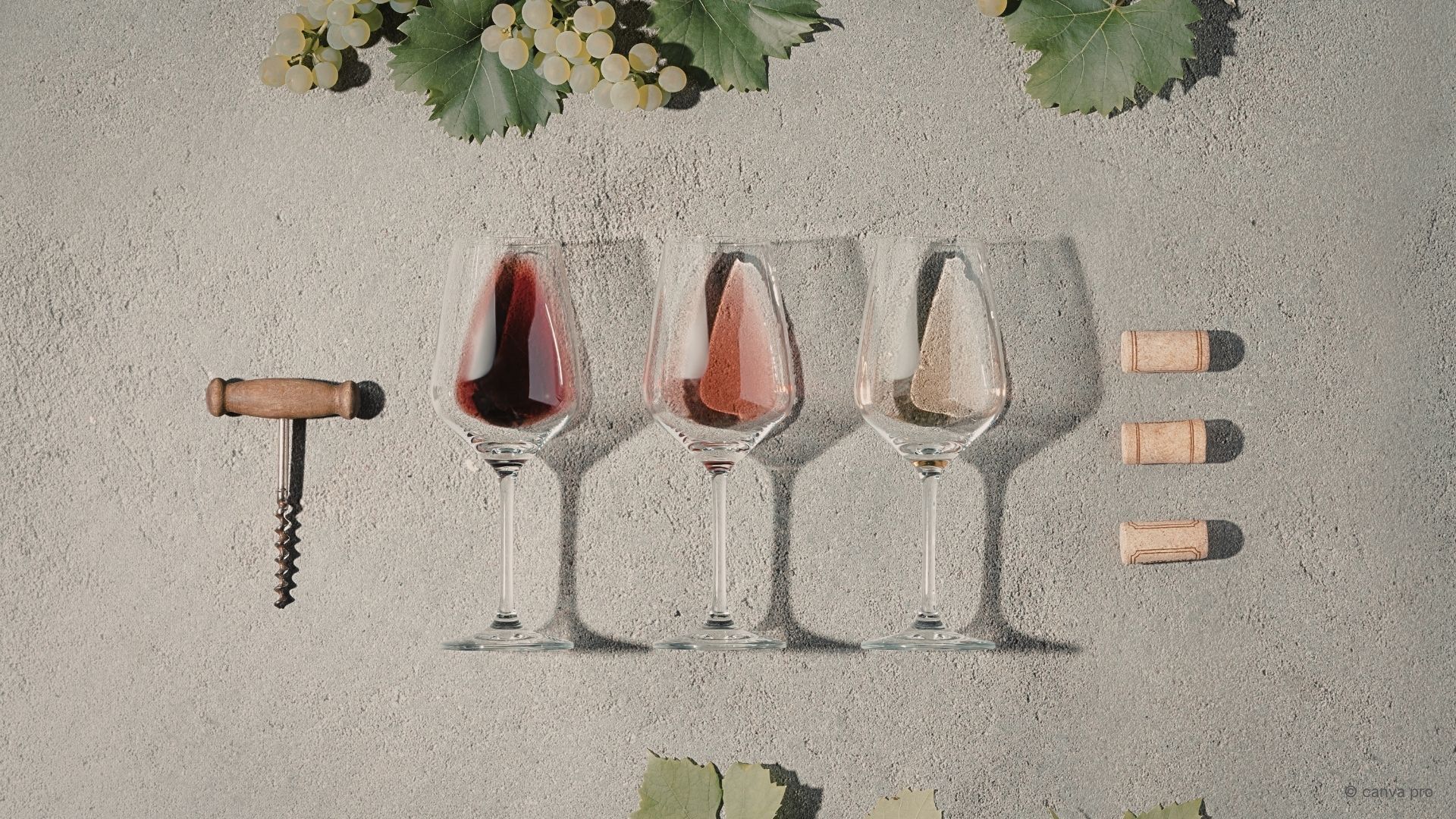
The encouraging news is that declining consumption does not have to mean the decline of beverage culture. Bank of America data from early 2026 shows that spending at bars is actually increasing even as retail alcohol purchases fall. People still want to gather. They still want to share a drink. They are simply choosing to do it more intentionally and less frequently. This is where the opportunity lives. Rather than responding to lower volume with a strategy of charging more and capturing maximum revenue from a shrinking pool, forward-thinking operators should focus on creating more valuable and more memorable experiences around what people choose to drink.
That could look like restaurants developing wine club memberships that deepen customer loyalty beyond a single meal. It could mean wine lists that thoughtfully feature lower alcohol selections alongside traditional options. It could mean pairing programs that integrate non-alcoholic cocktails and wellness-oriented beverages into the overall dining narrative, not as an afterthought but as a designed complement to the evening. The next generation of consumers is not abandoning hospitality. They are demanding that it earn their attention. They want authenticity, intentionality, and the sense that the experience was worth both their time and their money.
The Takeaway
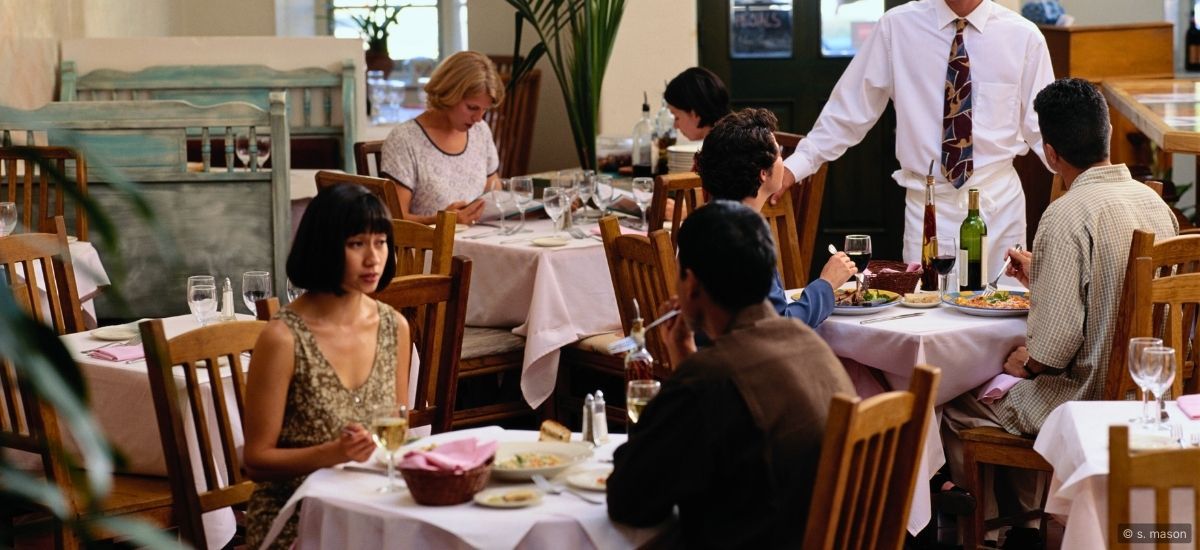
The restaurant industry is not dying. But it is being reshaped by forces that demand a fundamentally different approach from the people who run it. The operators who will thrive are not the ones clinging to legacy models or trying to extract maximum revenue from declining volume. They are the ones who recognize that the future of hospitality is experiential, that beverage programs can evolve alongside consumer values rather than fight against them, and that the human element of dining is the one thing automation will never replicate.
The answer is not more robots or higher prices. The answer is a better, more thoughtful experience that meets people where they are. The restaurants that figure this out will not just survive the current disruption. They will define what dining looks like on the other side of it. And the beverage professionals, managers, and operators who lean into that challenge rather than away from it will find that a more intentional consumer is not a threat. It is the best audience they have ever had.
Frequently Asked Questions
Is the restaurant industry actually declining?
Not entirely. While certain segments are struggling, especially mid-tier casual dining, others such as quick-service and high-end experiential dining are adapting and growing.
Why are alcohol sales falling in restaurants?
Shifts in consumer behavior, including health trends, the rise of non-alcoholic beverages, and competition from at-home consumption, are reducing on-premise alcohol demand.
How are rising costs impacting restaurants?
Labor, food, rent, and supply chain costs have increased significantly, compressing margins and forcing operators to raise prices, reduce offerings, or rethink operations.
What role will automation play in restaurants?
Automation is increasingly being used for ordering, payment, inventory, and even food preparation, helping offset labor shortages and costs.
Are traditional dining experiences disappearing?
No, but they are evolving. Restaurants must now justify their value through experience, quality, and differentiation more than ever before.
What types of restaurants are best positioned for the future?
Concepts that balance efficiency with experience, leverage technology intelligently, and maintain strong brand identity are most likely to succeed.
Will dining out become a luxury?
In some cases, yes. Full-service dining is increasingly becoming an occasion-driven experience rather than an everyday habit.